High-Quality Hospice Care Defined
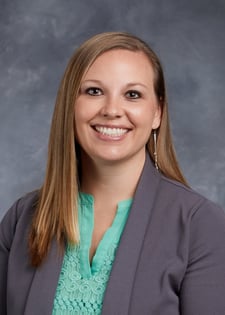
Jenna Cotterman, MOT, OTR/L, CEHCH, COQS
Director of Operations
Bridge Home Health & Hospice
 Recent reports of hospice fraud across the country have created concern among healthcare professionals, patients, and families. While these cases are serious and deserve attention, it is important to recognize that fraudulent activity represents a small portion of the hospice industry. The vast majority of hospice providers remain committed to delivering ethical, compassionate, and patient-centered end-of-life care.
Very recently, investigators in several states, particularly California, have uncovered significant hospice fraud schemes. These cases have included the use of stolen patient identities, enrollment of individuals who were not terminally ill, billing Medicare for deceased patients, fraudulent physician certifications, and illegal kickback arrangements for referrals. In one widely publicized example, investigators found nearly 200 hospice agencies registered to a single Los Angeles address, leading to concerns about so-called “ghost hospices.” These organizations existed largely on paper while receiving payments from federal healthcare programs.
Fraudulent hospice operations often share similar warning signs. They may lack a legitimate clinical presence, have frequent leadership turnover, maintain poor documentation, pressure individuals into enrollment, or demonstrate little physician involvement in patient care. Some are unable to provide the full range of services required under the Medicare Hospice Benefit, including all four Hospice Levels of Care, raising additional concerns about quality and compliance.
Fortunately, reputable hospice organizations operate very differently. High-quality hospices follow strict Medicare eligibility requirements and verify a patient’s terminal prognosis through physician oversight and interdisciplinary review. They maintain clear documentation, welcome regulatory audits, track quality outcomes, and focus on ethical patient and referral practices. Rather than relying on incentives or pressure tactics, these organizations prioritize education, communication, and patient choice. Stable leadership and a strong local presence are also important indicators of quality.
For healthcare providers, patients, and families selecting a hospice partner, several factors can help distinguish quality organizations from questionable ones. Referral sources, patients, and families should:
- Verify licensing and physical office locations
- Ask questions about physician involvement, symptom management, communication processes, and responsiveness to referrals
- Ask questions about the hospice’s ability to provide all four Levels of Care
- Review quality data reported through CMS Care Compare, including how often the full comprehensive assessment was completed timely, how often hospice staff is providing sufficient care in the last days of life, how many indicators of care are met, and star ratings for family and caregiver satisfaction.
Equally important is recognizing ethical red flags. Patients should always understand they are enrolling in hospice, physicians should remain involved in the certification process, and no agency should offer gifts, financial incentives, or pressure tactics in exchange for referrals or admission decisions.
While hospice fraud understandably generates headlines, it should not overshadow the important work performed every day by genuine hospice providers. Quality hospice care is built on trust, transparency, clinical excellence, and respect for patient dignity. By understanding the warning signs of fraud and the characteristics of high-quality care, patients and families can make informed decisions and ensure they receive the compassionate support they deserve.